Periodontal Care
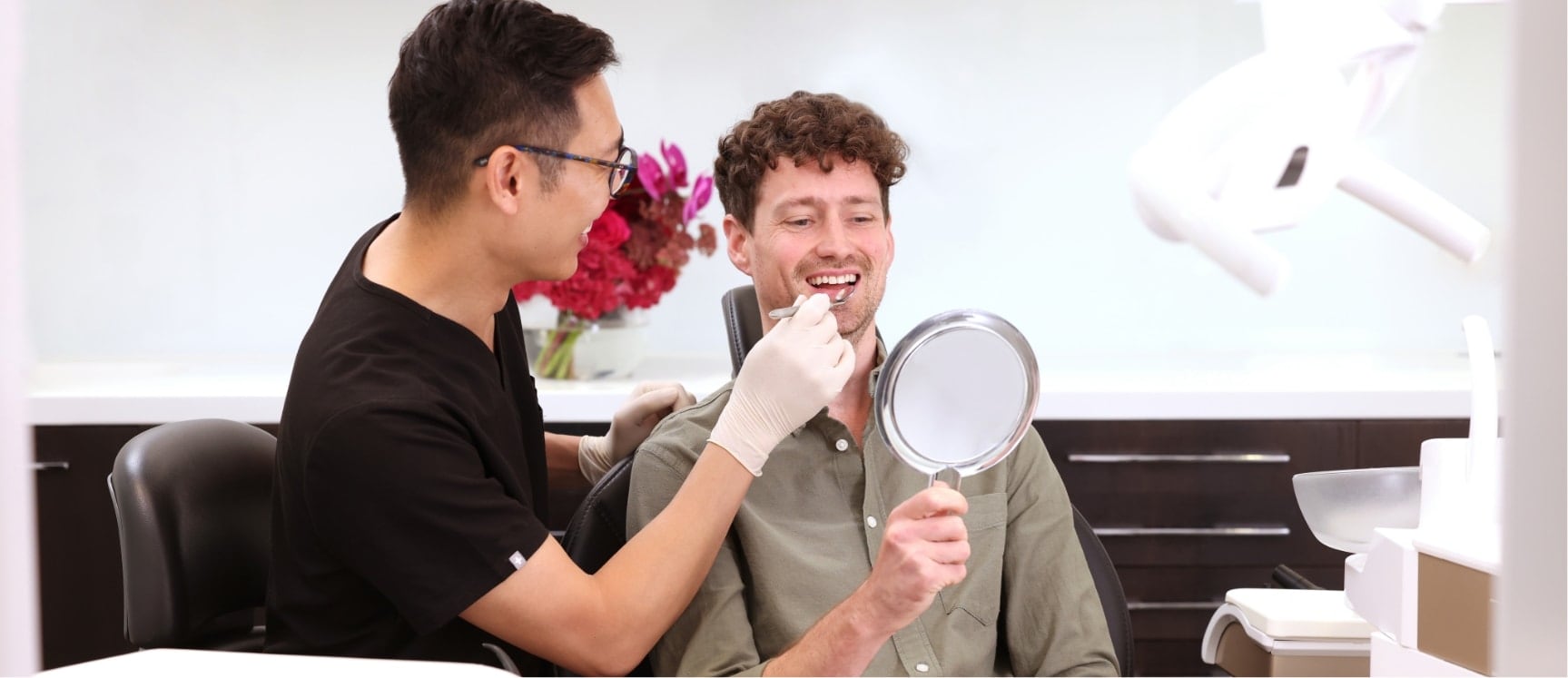
Gum disease affects millions of adults, often silently, and can lead to tooth loss, inflammation, and other health concerns if left untreated. Laser periodontal therapy offers a modern, precise, and minimally invasive way to treat gum disease, targeting infection and promoting healing while preserving healthy tissue. This innovative approach helps restore your oral health comfortably and effectively, giving you a healthier smile with less discomfort and faster recovery than traditional treatments.
At The Paddington Dental Surgery, our Sydney dentists provide offer complete periodontal care, featuring advanced laser therapy to gently eliminate harmful bacteria, support healing, and restore your gum health with comfort and precision.
Schedule a Consultation
Learn more about our gentle, patient-first approach. To book your consultation, contact The Paddington Dental Surgery today.
What is Periodontal Disease?
The terms “periodontal disease” and “gum disease” both refer to varying degrees of inflammation or infection of the soft gum tissue. While insufficient dental hygiene is the most common cause of gum disease, factors such as smoking, diabetes, and genetics may also put you at risk.
Dental health professionals recognise three general stages of gum disease:
Gingivitis
Gingivitis, the most basic form of gum disease, is caused by a buildup of bacteria around the gums that leads to a sticky tartar. The effects of gum disease are typically reversible at this early stage if you resume a regular brushing, flossing, and dental cleaning/exam schedule.
Periodontitis
When left untreated, gingivitis can advance to periodontitis – a stage where the infection begins to affect the deeper tissues and bone supporting the teeth. As the gums pull away, pockets can form around the teeth, trapping bacteria and causing further damage. While this phase cannot be reversed, it can be managed effectively through ongoing periodontal care to prevent progression and preserve oral health.
Advanced Periodontitis
At this stage, the infection has severely weakened the bone and connective tissues that hold the teeth in place. Teeth may become loose or shift, and tooth loss can occur if the condition is not addressed. Advanced gum disease has also been linked to systemic health concerns such as diabetes, stroke, and heart disease. With proper management, however, symptoms can be reduced.
What Are Common Signs of Gum Disease?
Depending on the stage of severity, symptoms of gum disease may include:
- Bleeding gums
- Swollen, puffy gums
- Soreness
- Halitosis (bad breath)
- Gum recession
- Noticeable periodontal pockets
- Tooth loss
How Can I Prevent Gum Disease?
The best way to prevent gum disease is to maintain good oral hygiene. This includes brushing at least twice a day, flossing daily, following a healthy diet, and attending your regularly scheduled cleanings and exams. In addition, it can be helpful to be aware of the early signs of gum disease (i.e., bleeding, swelling, and chronic bad breath). If you catch gingivitis early enough, you may be able to stop it before it progresses.
What Are My Gum Disease Treatment Options?
The Paddington Dental Surgery treats gum disease using tried-and-true periodontal care procedures in addition to advanced laser technology. Our treatments include:
Scaling and Root Planing
Plaque and tartar in deep pockets along the gum line will be removed non-surgically for improved gum health. After a thorough deep cleaning, the roots are smoothed in an effort to prevent future bacteria from attaching. We will then use our laser to seal the gums, which can speed up your recovery process and limit any pain that you may feel after the procedure.
Laser Therapy
Many patients choose laser periodontal therapy over traditional treatments because of its distinct benefits:
- Less bleeding and swelling after surgery
- No stitches or sutures required
- Virtually painless
- Faster recovery times
- Non-invasive
- Less risk of infection
- Procedure times shortened
- Longer-lasting results in many cases
Our Diode laser system can effectively target infected tissue and sterilise periodontal pockets. It can also be used to reshape uneven gumlines or remove excess tissue caused by gum recession (a procedure known as gum reshaping).
How Much Does Laser Gum Disease Treatment Cost?
The cost of laser gum treatment varies based upon the extent of work to be done, the condition in question, and many other factors. We tailor each procedure to the unique needs of every patient and typically discuss your estimated cost after we have thoroughly examined you and gone over the specifics of the procedure. If you have any questions about financial options, we would be more than happy to help you.
How Do I Choose a Dentist for Gum Disease Treatment?
Effective periodontal care can greatly enhance not only your oral health but your overall wellbeing. For this reason, it’s important to choose a dentist who combines advanced training, experience, and a compassionate approach to care.
When selecting a provider for gum disease treatment, consider their qualifications, experience in periodontal therapy, and commitment to modern, evidence-based techniques. Most dental professionals offer an initial consultation — this is an ideal opportunity to discuss your concerns, ask questions about their background, and understand the treatment options available to you.
At The Paddington Dental Surgery, our team provides comprehensive periodontal care using the latest diagnostic tools and minimally invasive techniques to restore gum health, prevent future problems, and support your long-term wellbeing.
Additional Frequently Asked Questions
Can you cure gum disease?
While gum disease that has progressed beyond the gingivitis stage cannot be fully reversed, it can be effectively managed to protect your oral health and prevent further deterioration. When non-surgical treatments such as scaling and root planing or laser periodontal therapy are not sufficient on their own, minor surgical procedures may be recommended to improve gum stability and comfort.
Common options include:
- Gum grafting, which replaces or reinforces areas of damaged gum tissue to cover exposed roots and restore a healthy gumline.
- Osseous surgery (also called pocket surgery), where the gums are carefully folded back to allow thorough removal of deep plaque and tartar before being repositioned for a better fit around the teeth.
For patients who have experienced tooth loss due to advanced periodontitis, dental implants may also be an option once the infection is under control. Implants can not only enhance function and appearance, but they can also preserve jawbfone structure and prevent future bone loss.
Is gum disease contagious?
Contrary to popular belief, gum disease is contagious. This is because saliva can carry some of the harmful bacteria that cause gingivitis and the infection can be spread through oral contact (i.e. kissing). As such, in order to protect yourself – as well as those around you – from gum disease, we advise you to always practise good oral hygiene.
What is the best toothpaste for gum disease?
The best way to choose a toothpaste or mouthwash for gum disease is to look for the Australian Dental Association (ADA) seal of approval. This signifies that the product has met the highest standards of the ADA after a rigorous testing process.
What does laser dentistry feel like?
Because laser periodontal treatments typically involve the use of a numbing agent, you will likely feel little to no discomfort during your procedure. As part of our commitment to providing as gentle an experience as possible for each patient, our dentists are well-versed in several sedation dentistry techniques, including intravenous (IV) methods and oral conscious sedation.
Protect and Rejuvenate Your Gum Health
Healthy gums are essential to a strong, confident smile. Whether you’re managing early signs of gum disease or need advanced periodontal care, our experienced team is here to help you regain comfort and lasting oral wellness.
Reach out to The Paddington Dental Surgery today to learn more about our gentle, state-of-the-art gum disease treatments or to book your consultation.